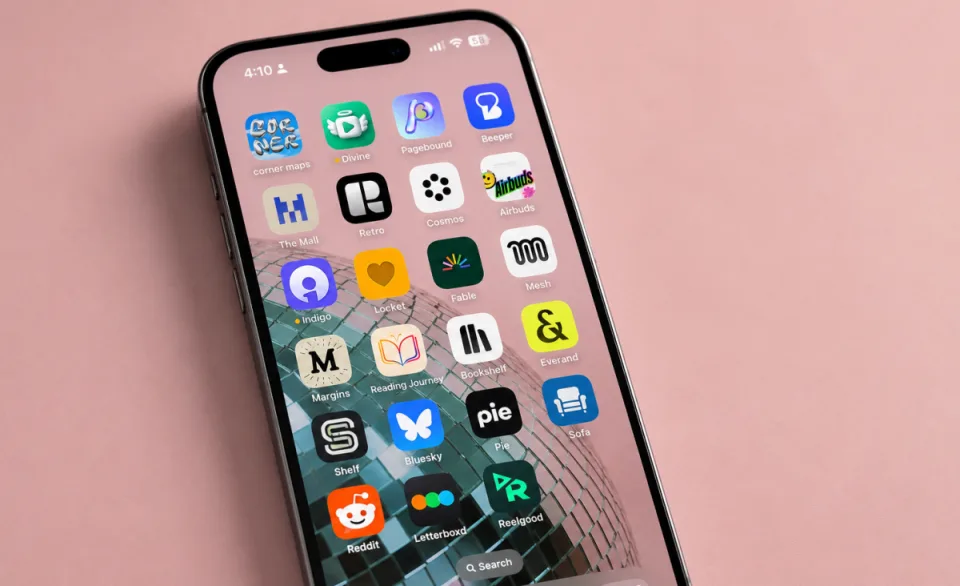
If you want a photo-sharing app without the AI image scraping, relentless Reels, unskippable ads and algorithmic clutter that now define Instagram, you have more choices in 2026 than ever. The best Instagram alternative depends on what you miss most: for a clean, photo-only feed with no ads, try Grain or Pixelfed. For a serious photography community, Flickr Pro, 500px and Irys lead the pack. For private sharing with real friends, Retro is the standout. And if you want lifestyle discovery with a Pinterest-meets-TikTok feel, Lemon8 is the fastest-growing option from ByteDance.
Instagram crossed 3 billion monthly active users in 2026, but its shift toward AI-generated content, forced recommendation feeds and a paid subscription tier (Meta One, with AI tools behind a paywall announced in July 2026) has pushed a growing number of users to explore alternatives. Meanwhile, Meta briefly launched and then pulled a Muse Image feature that let anyone remix public Instagram photos with AI, triggering a privacy backlash from users and Hollywood agencies. If any of that made you want to spend less time in Meta's ecosystem, this guide is for you.
Transparency note: We research and compare platforms independently. Some links may earn us a commission at no extra cost to you. We do not accept payment for placement, and our ratings are based on documented features and verified pricing as of August 2026.
Quick comparison table: top Instagram alternatives at a glance
Platform | Best for | Format | Ads | Free tier | Paid plan (USD) | Available on |
|---|---|---|---|---|---|---|
Grain | Photo-first, ad-free, open protocol | Photos only, Stories | None | Yes | Free | iOS, Android, Web |
Pixelfed | Decentralized, privacy, chronological | Photos, albums, Stories | None | Yes (join instance) | Free or self-host | iOS, Android, Web |
Retro | Private sharing with close friends | Photos, weekly highlights | None | Yes | Free | iOS, Android |
Flickr | Photography community, storage | Photos, albums, groups | Free tier only | 1,000 photos | Pro: $7.08-$13/mo | iOS, Android, Web |
VSCO | Photo editing plus sharing | Photos, journals | None | Limited editing tools | Plus: $2.49/mo; Premium: $9.99/mo | iOS, Android, Web |
500px | Photography community, licensing | Photos, Quests | Free tier | Yes | Premium upgrade available | iOS, Android, Web |
Irys | Serious photography, ad-free | Photos only | None | 100 photos, 10/day | Premium: $5.99/mo or $59.99/yr | iOS, Android |
Lemon8 | Lifestyle discovery, creators | Photos, video, carousels | Algorithm-driven feed | Yes | Free | iOS, Android |
BeReal | Unfiltered, authentic moments | Dual-camera daily photos | None | Yes | Free | iOS, Android |
Threads | Text-first, Instagram integration | Text, photos, video, links | Ads present (rolled out globally) | Yes | Free | iOS, Android, Web |
Why people are looking for Instagram alternatives in 2026
Instagram remains massive: 2 billion daily active users as of Q2 2026, and over 3 billion monthly, according to Meta's July 2026 earnings report. But several developments in the first half of 2026 have accelerated the search for alternatives:
AI image scraping controversy. On July 7, 2026, Meta launched Muse Image, which let users generate AI images by @-mentioning public Instagram accounts. The feature auto-opted-in all public accounts. After days of backlash from users, Hollywood agencies and SAG-AFTRA, Meta disabled the feature on July 10. "Anything other than a clear and conspicuous opt-in for these types of uses of Instagram users' images is unacceptable," the union stated.
Paid AI subscriptions coming. Instagram head Adam Mosseri confirmed on July 12, 2026, that the platform is building a paid tier for AI access. Usage caps are already in place as a precursor.
Unskippable ad breaks. Meta is testing ad breaks in Europe that pause scrolling for several seconds unless users pay to remove them.
Algorithmic overload. Instagram now opens directly to Reels in some test markets (India, South Korea), demoting still photography in favor of short-form video.
Growing distrust of Big Tech. The rise of decentralized protocols (AT Protocol, ActivityPub) has made genuinely independent alternatives viable for the first time.
The best Instagram alternatives in 2026: detailed reviews
1. Grain (AT Protocol, best for photo purists)
Grain is a photo-only social platform built on the AT Protocol, the same decentralized infrastructure that powers Bluesky. Launched in 2025 by developer Chad Miller, it feels like Instagram stripped back to its 2012 roots: a clean chronological feed of photos, with no videos, no Reels, no ads and no recommended posts.
Why it stands out: Grain displays EXIF data (camera model, settings) for every photo, supports up to 10 images per post, includes a title and description field, and crucially allows clickable links in post descriptions. Instagram still restricts links to profiles (and a limited test for Meta Verified subscribers). Grain also offers a "For You" algorithmic feed as an option, but the default is chronological. Stories exist but are photo-only and expire after 24 hours.
Who should use it: Anyone who wants a calm, ad-free photo-sharing experience and values the open AT Protocol ecosystem. You can sign in with your Bluesky account and cross-post to Bluesky.
Pricing: Free.
Availability: iOS, Android, Web.
Pros:
No ads, no algorithms by default
Built on open AT Protocol (portable identity)
EXIF data display for photographers
Clickable links in posts
Bluesky integration
Cons:
Small user base (not a mass-market platform)
No video support at all
No editing tools in-app
2. Pixelfed (best decentralized, open-source alternative)
Pixelfed is the closest thing to a self-hosted, federated Instagram clone. Built on ActivityPub (the same protocol as Mastodon), it offers a familiar Instagram-like interface with filters, Stories, albums and chronological feeds. Because it is decentralized, you can join an existing server (instance) or run your own. There are no ads and no algorithmic manipulation.
Why it stands out: Pixelfed federates with Mastodon and other ActivityPub platforms, so your posts can reach users across the Fediverse. In 2026, Meta even briefly blocked links to Pixelfed on its platforms, which only drew more attention to it. The app includes photo filters, Stories, albums and comment sections. It is entirely open source.
Who should use it: Privacy-conscious users, open-source advocates, and anyone who wants full control over their data and feed.
Pricing: Free (join a public instance) or self-host at your own server cost.
Availability: iOS, Android, Web.
Pros:
Completely ad-free and tracker-free
Federated with Mastodon and the Fediverse
Open source, self-hostable
Chronological feed by default
Includes filters and Stories
Cons:
User base is smaller and fragmented across instances
Requires some technical comfort to get the most from it
No discovery algorithm for finding content
3. Retro (best for sharing privately with real friends)
Retro was built by two former Instagram team members, Nathan Sharp and Ryan Olson, who left Meta to create a photo-sharing app focused on real connections rather than follower counts. The app lets you share photos with a small circle of friends, highlight your best shots each week, and "time-travel" through your camera roll with its Rewind feature. In March 2026, TechCrunch reported that nearly 1 million photos were being uploaded daily, with Taiwan alone accounting for 36% of its global user base.
Why it stands out: Retro is built around privacy: you control who sees what, and by default only your most recent month of photos is visible to friends. There is no public feed, no influencer culture and no ads. The app is designed to help you reconnect with your own memories, not chase likes.
Who should use it: People who want a private, low-pressure space to share photos with close friends and family.
Pricing: Free.
Availability: iOS, Android.
Pros:
Built by former Instagram product designers
Strong privacy controls
Weekly highlights and Rewind memory features
No ads, no influencers, no public counts
Cons:
Not a public sharing or discovery platform
Smaller network (you need to invite friends)
No video support
4. Flickr (best established photography community)
Flickr is the veteran of online photo sharing, now owned by SmugMug. In 2026 it remains one of the best places to find an active, photography-focused community without the distractions of memes, political content or short-form video. The platform underwent an app refresh in 2026 and continues to host billions of photos, with groups dedicated to every conceivable genre of photography.
Why it stands out: Flickr is all about photography. The Explore feature surfaces the top-liked images across the platform. Groups let you join communities around specific interests (bird photography, street photography, film stocks). Pro members get unlimited full-resolution storage, advanced stats, and ad-free browsing. Flickr also hosts real-world events: the inaugural MODE by Flickr photography festival is scheduled for September 18-20, 2026 in Minneapolis.
Who should use it: Photographers of all levels who want a community, portfolio hosting, and unlimited storage.
Pricing: Free tier: 1,000 photo uploads (with ads). Flickr Pro: $7.08/month (2-year plan), $8.00/month (annual), or $13.00/month (monthly), per Tom's Guide pricing as of early 2026.
Availability: iOS, Android, Web.
Pros:
Large, established photography community
Unlimited full-resolution storage (Pro)
Interest groups for every genre
EXIF data, stats, licensing options
No Reels or short-form video clutter
Cons:
Free tier is limited (1,000 photos, ads)
App experience can feel dated compared to newer platforms
Limited social interaction compared to Instagram
February 2026 security incident exposed some user data
5. VSCO (best for editing-first sharing)
VSCO started as a photo editing app and gradually built a social layer on top. In 2026 it remains one of the best tools for applying film-like presets to your images, with a library of over 200 film simulations. The social side is more of a gallery than a feed: there are no public likes, no comments and no follower counts displayed. It is a quiet, aesthetically driven space.
Why it stands out: VSCO's editing tools are genuinely excellent, and the community is curation-focused rather than engagement-driven. The free tier is very limited (essentially a demo), but the paid subscriptions unlock the full preset library, advanced editing tools and the VSCO community features.
Who should use it: Mobile photographers who want serious editing tools and a low-pressure sharing environment.
Pricing: Free (basic editing only). VSCO Plus: $2.49/month or $1.49/month billed annually ($17.88/year). VSCO Premium: $9.99/month or $6.49/month billed annually ($77.88/year).
Availability: iOS, Android, Web.
Pros:
Outstanding film simulation library
No public likes or follower counts
Powerful editing tools
Calm, ad-free environment
Cons:
Free tier is extremely limited
Not a traditional social network (minimal interaction)
Subscription-based, no lifetime option
6. 500px (best for photo licensing and competitions)
500px has been around for over a decade and has settled into a role as a photography-first platform with a feed that "looks not unlike the way Instagram used to look," according to Amateur Photographer's 2026 review. It defaults to an algorithmic feed but gives you the option to view only images from people you follow. The platform also displays EXIF data and runs regular photo competitions called Quests.
Why it stands out: 500px offers a licensing marketplace where photographers can sell their images, plus a community of serious enthusiasts. It is available on iOS and Android after a period when the Google Play version was unavailable.
Who should use it: Photographers interested in licensing their work and finding inspiration from a global community.
Pricing: Free with premium upgrade available (unlocks unlimited high-resolution uploads and licensing tools).
Availability: iOS, Android, Web.
Pros:
Photo-only feed reminiscent of early Instagram
Licensing opportunities for professionals
Quests (photo competitions) keep the community active
EXIF data display
Cons:
Much smaller user base than Instagram
Algorithmic feed by default
Premium features require subscription
7. Irys (best purpose-built photographer network)
Irys was launched by celebrated street and portrait photographer Alan Schaller as an ad-free, photography-first alternative to mainstream social media. The platform is purpose-built for photographers who want to share work and discover peers, with no algorithms promoting viral content. In January 2026, WhiteWall became a founding partner, signaling the platform's commitment to real photography.
Why it stands out: Irys is built by a photographer, for photographers. The free tier allows up to 100 total images (10 per day) and membership in five groups. Premium unlocks higher-quality uploads, spotlight competitions, more groups and unlimited posts.
Who should use it: Serious photographers who want a dedicated, ad-free space to share and discover high-quality work.
Pricing: Free (100 photos, 10/day, 5 groups). Premium: $5.99/month or $59.99/year.
Availability: iOS, Android.
Pros:
Built by a respected photographer (Alan Schaller)
Completely ad-free
Premium tier is affordable
Spotlight competitions and groups
Cons:
Free tier is quite restrictive (100 total photos)
Still a young platform with a growing user base
No video support
8. Lemon8 (best for lifestyle content and product discovery)
Lemon8 is owned by ByteDance, the parent company of TikTok, and blends the visual appeal of Pinterest with the scrolling behavior of TikTok and the blogging format of early Instagram. It focuses on lifestyle content: fashion, beauty, food, travel, wellness and home decor. According to Hootsuite's 2026 research, Lemon8 has surpassed 77 million downloads globally and has 8.6 million active users on iOS alone, with a 33.9% influencer marketing penetration rate in the US.
Why it stands out: Lemon8 rewards thoughtful, high-quality posts with a longer shelf life than TikTok. Its built-in templates make polished carousels easy to create. The platform is particularly popular with Gen Z and millennial women, and its search-friendly structure means content can be discovered weeks or months after posting.
Who should use it: Lifestyle creators, small businesses in fashion/beauty/wellness, and anyone who enjoys making aesthetic carousels and tutorials.
Pricing: Free.
Availability: iOS, Android.
Pros:
High engagement on evergreen lifestyle content
Built-in post templates for polished look
Strong product-discovery integration
Growing fast in Western markets
Cons:
Algorithm-driven feed (same ByteDance ecosystem)
Owned by TikTok's parent company (data concerns)
Not ideal for non-lifestyle or serious photography
Content quality can be uneven
9. BeReal (best for unfiltered, authentic moments)
BeReal is the French app that peaked in 2022 but still maintains over 21.6 million monthly active users in 2026, with strong engagement in the US and UK. Once a day, at a random time, the app prompts you to snap a dual-camera photo (front and back simultaneously) with no filters and no editing. The idea is to capture what you are actually doing, not a curated version of it.
Why it stands out: BeReal is the polar opposite of Instagram's polished, edited, algorithmic culture. The new "Bonus BeReals" feature lets users post more than once a day, giving brands and creators more flexibility. It is not a direct Instagram replacement for photo sharing, but it fills a specific need for authenticity.
Who should use it: Gen Z users and anyone who wants a no-pressure, authentic social experience. Brands targeting younger demographics can use it for behind-the-scenes content.
Pricing: Free.
Availability: iOS, Android.
Pros:
Truly authentic, no editing or filtering
Strong Gen Z community
Low-pressure, fun format
Bonus BeReals add flexibility
Cons:
Not a photo gallery or portfolio platform
Only one (or a few) posts per day
Buzz has cooled since 2022 peak
Acquired by mobile game maker Voodoo (future direction uncertain)
10. Threads (best for Instagram users who want a text-first companion)
Threads is Meta's text-first social platform, which reached 500 million monthly active users in July 2026, according to Meta's Q2 earnings report. While it is not a photo-first alternative, it integrates deeply with Instagram: you use your Instagram account to sign up, carry over your followers, and can cross-post between the two. Threads supports photos, videos up to 5 minutes, links and text posts up to 500 characters.
Why it stands out: If you want to step back from Instagram's Reels feed but stay connected to your Instagram network, Threads offers a less visually demanding alternative. Meta rolled out advertising on Threads globally in early 2026, so it is no longer ad-free, but the ad load is still lighter than on Instagram or Facebook.
Who should use it: Existing Instagram users who want a conversational text-first space without abandoning their social graph entirely.
Pricing: Free.
Availability: iOS, Android, Web.
Pros:
Seamless Instagram integration
Massive and growing user base (500M MAU)
Supports photos, video, links and text
Familiar Meta ecosystem
Cons:
Still a Meta product (same privacy concerns)
Ads are present and expanding
Not a dedicated photo-sharing platform
Algorithm-driven feed
Honorable mentions: more apps to watch
Bluesky (AT Protocol, 40+ million users): Primarily a text-first microblogging platform like X/Twitter, but supports photo and video posts. Its decentralized architecture and custom algorithmic feeds make it a compelling alternative for building community. Free. iOS, Android, Web.
RedNote (Xiaohongshu): A Chinese lifestyle and e-commerce platform with approximately 350 million monthly active users. It blends short-form video, photos and product discovery (TikTok meets Pinterest). Dominant in China, with growing US interest after the 2025 TikTok ban scare. Free. iOS, Android.
Glass: A subscription-based photo-sharing app for photographers that emphasizes high-quality image display. It has a smaller, curated community. Pricing is subscription-based. iOS only.
Noplace: A text-first, MySpace-inspired social app that hit #1 on the US App Store in 2024. It is about vibes and community, not photos, but worth mentioning for Gen Z audiences seeking alternatives to visual-first platforms. Free. iOS, Android.
Which Instagram alternative should you choose? Decision table
Your need | Best pick | Runner-up |
|---|---|---|
I want an almost identical Instagram experience without Meta | Pixelfed | Grain |
I want a calm, ad-free photo feed with no videos | Grain | Irys |
I am a serious photographer who wants community and storage | Flickr Pro | 500px |
I want to edit photos beautifully AND share them | VSCO | Lightroom (community features) |
I want to share privately with close friends only | Retro | BeReal |
I want lifestyle discovery and product inspiration | Lemon8 | RedNote |
I care most about privacy and decentralization | Pixelfed | Grain (AT Protocol) |
I want to license and sell my photos | 500px | Flickr Pro (SmugMug integration) |
I want to stay connected to my Instagram friends but scroll less | Threads | Retro |
I want an authentic, unfiltered daily check-in with friends | BeReal | Retro |
How to choose the right Instagram alternative for you
Define your primary goal. Are you switching because you want to escape Meta's ecosystem entirely, or do you just want a less cluttered feed? If it is the former, look at Grain, Pixelfed or Irys. If you just want a calmer experience but do not mind who owns the platform, Lemon8 or Threads might work.
Consider your audience. If you are a creator or brand, moving to a smaller platform means leaving behind Instagram's 2 billion daily active users. Platforms like Lemon8 and Threads offer the best growth potential in 2026. If you share purely for personal enjoyment, Grain, Retro or Pixelfed may feel more rewarding.
Check the format fit. If you create Reels or video content, Grain, Irys and Retro will not work for you (they are photo-only). VSCO, Lemon8 and Threads support video. Pixelfed supports Stories but is primarily photo-focused.
Decide on paid vs. free. Many of the best ad-free experiences (Flickr Pro, VSCO Premium, Irys Premium) require a subscription. If you want a genuinely free, ad-free experience, Grain, Pixelfed and Retro are your best bets.
Test before committing. Every platform on this list has a free tier or is entirely free. Download two or three, post some content, and see which community and interface feel right before investing your time.
Frequently asked questions
What is the closest app to Instagram in 2026?
Pixelfed offers the most Instagram-like experience with filters, Stories, albums and a familiar interface, but without ads, algorithms or Meta ownership. If you want a polished, mainstream alternative with a larger user base, Lemon8 is the closest in terms of visual discovery and lifestyle content.
Are there any Instagram alternatives that pay creators?
Fanbase is a platform where creators can earn directly from their audience through "Loves" (paid likes). 500px offers photo licensing opportunities. Flickr Pro integrates with SmugMug for portfolio sales. Most smaller alternatives do not have built-in creator funds comparable to Instagram's.
Can I use more than one Instagram alternative?
Absolutely. Many photographers use Flickr or 500px for portfolio hosting, VSCO for editing, and Grain or Pixelfed for community sharing. There is no single platform that replicates everything Instagram does, which is why many users are splitting their time across multiple apps.
Do these alternatives have mobile apps?
Yes. Every platform in our main comparison has iOS and Android apps, except Glass (iOS only). Most also offer web interfaces.
Are decentralized platforms like Pixelfed and Grain safe to use?
Yes. Both platforms run on established open protocols (ActivityPub and AT Protocol, respectively). They are open source, which means their code can be audited by anyone. However, the security of your account on Pixelfed depends on the instance you join, so choose a reputable server.
Will my Instagram followers follow me to a new platform?
Probably not all of them, and that is partly the point. Most Instagram alternatives are designed for smaller, more intentional networks. Threads is the exception: it directly imports your Instagram followers list. For other platforms, expect to rebuild a smaller, more engaged community from scratch.
Is Instagram going to become a paid app?
Instagram itself remains free, but Meta is building a paid subscription tier (Meta One) that will gate AI tools and possibly other features behind a paywall. Instagram head Adam Mosseri confirmed this direction on July 12, 2026. The free, ad-supported version will continue.