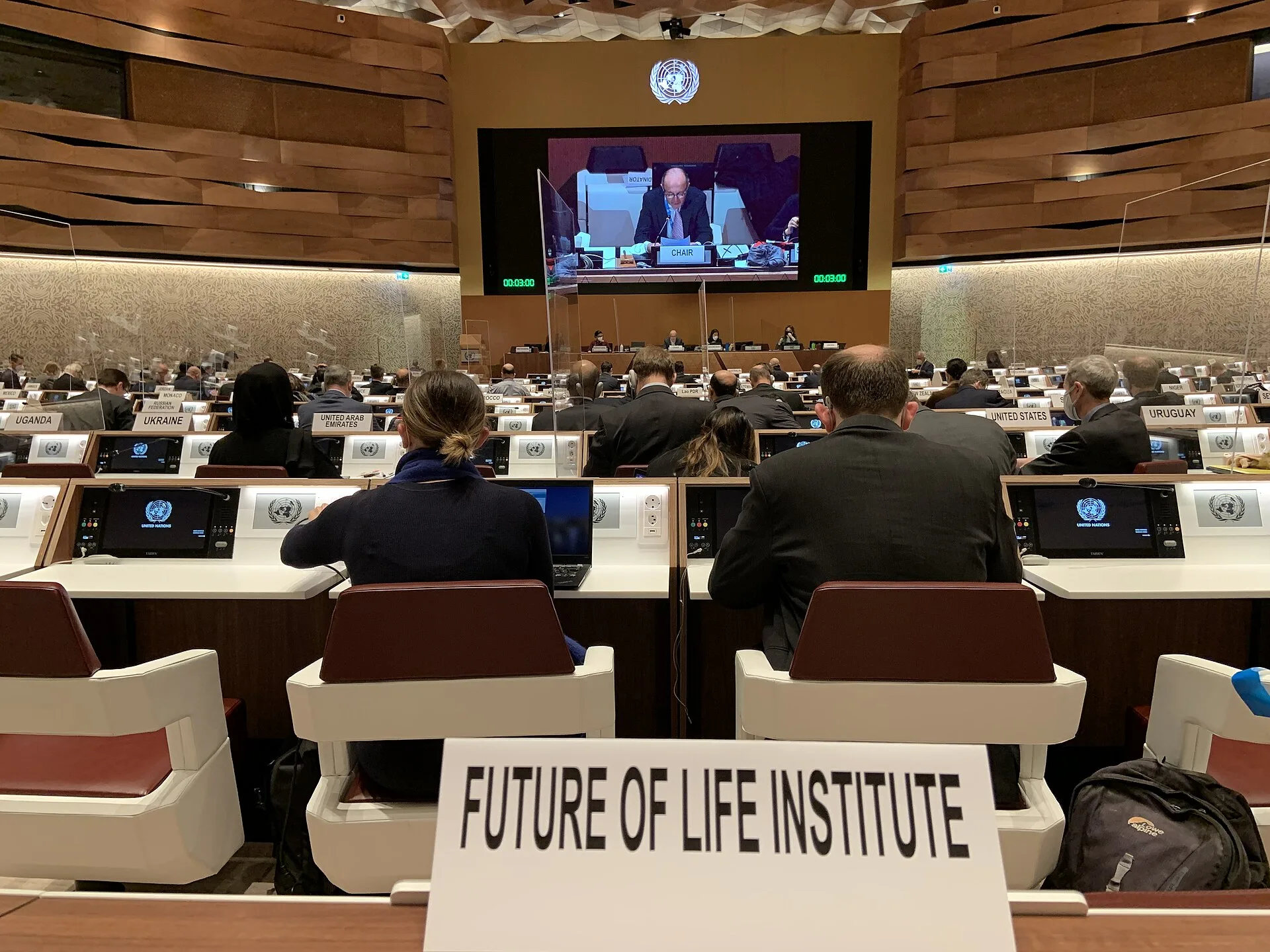
GENEVA, The United States and Russia are set to oppose negotiations on a legally binding treaty for lethal autonomous weapons systems at a UN-hosted meeting that opened in Geneva on Monday, diplomats told Reuters.
A week-long Review Conference of the Convention on Certain Conventional Weapons must decide whether to launch talks on prohibitions and regulations for weapons that can select and engage targets without human intervention. While 128 states party to the convention support such negotiations, major military powers argue that existing international humanitarian law is sufficient, according to Al-Monitor.
"Machines should never be allowed to decide who lives and dies on a battlefield but that is the dystopian reality that is fast approaching," said Verity Coyle of Human Rights Watch, which is pressing the conference to take firm action.
AI-assisted weapons with partial autonomy have already seen use in Ukraine and Sudan, diplomats and rights groups said. Anna Hehir, who directs military AI governance at the US-based Future of Life Institute, said fully autonomous systems are no longer theoretical, pointing to media reports of early use in Ukraine.
Washington favours guidelines over binding rules and has put forward a five-year mandate for negotiations toward a non-binding agreement. Moscow has not stated its position publicly for this session but has previously resisted legally binding proposals and intends to prevent the European Union, an observer, from speaking, a senior Western diplomat said.
The conference chair has proposed a two-year negotiating mandate for a binding protocol. European powers back talks on an instrument that leaves open whether the final outcome would be legally binding, Coyle told Reuters.
The International Committee of the Red Cross says humanitarian law does not sufficiently address the specific risks from autonomous weapons, including unpredictable behaviour and fatal errors. UN leaders and Pope Leo have also warned of the dangers and support regulation.
Two diplomats said discussions looked set to be challenging. States could still build bridges toward a compromise by the end of the week, with a range of outcomes from binding to non-binding rules on the table, The Straits Times reported.