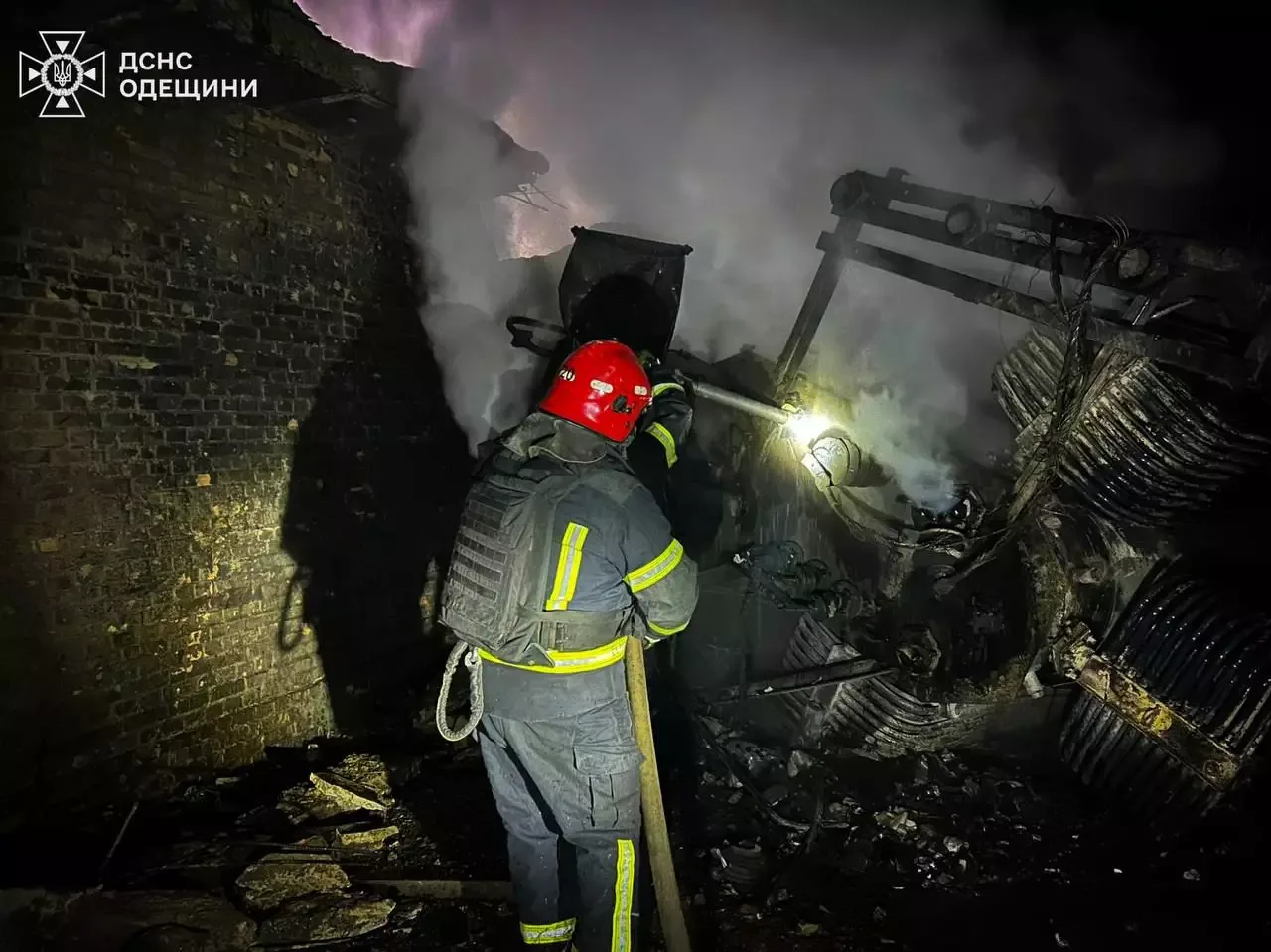
Russia's repeated strikes on Ukraine's power plants, substations and gas facilities amount to war crimes and crimes against humanity. The UN's Independent International Commission of Inquiry on Ukraine reached that conclusion in a report presented to the General Assembly's human rights committee on Oct. 26.
The commission, chaired by the former Norwegian judge Erik Mose, found that the attacks were deliberately directed at civilian objects. They were carried out under a state policy of depriving civilians of essential energy supplies. Mose told a UN news conference by video link that the strikes have intensified as another winter approaches.
The findings rest on testimony from 255 Ukrainians who lived through the winter of 2025-26 in Kyiv and eight other regions, along with interviews with government officials, doctors and civic organizations. Temperatures fell as low as minus 21 degrees Celsius during last winter's campaign, the Kyiv Independent reported.
"Russian commanders ordering the attacks had the knowledge that the heating facilities they targeted in large civilian agglomerations were indispensable to the civilian population, in particular during the winter," the commission wrote in its report.
One man interviewed by investigators described nights spent fighting sleep. "The scariest thing was to fall asleep and not to wake up," he said, according to the Kyiv Independent.
The report describes the practical effect of the blackouts. Elderly residents were stranded in high-rise buildings without lifts during air raids. Hospital patients were cut off from the devices keeping them alive. The commission classified the campaign as the crime against humanity of other inhumane acts, citing the suffering inflicted on civilians.
Investigators also examined Russia's recruitment of foreign nationals and said men from 29 countries were enlisted through deception or coercion. The commission treated the practice as human trafficking. The recruits, aged 18 to 60, came mostly from poor and marginalized communities, the report found.
Agents abroad posing as legitimate, government-endorsed businesses arranged visas and travel. The men were made to sign Russian-language Defense Ministry documents they did not understand, according to the commission. The countries named include Azerbaijan, Bangladesh, Belarus, Bolivia, Brazil, Colombia, India, Kenya, Nigeria, Sri Lanka and Zimbabwe.
Russia's mission to the United Nations said Moscow does not recognize the commission's mandate and dismissed its conclusions as based on "falsified data," the Independent and Arab News reported. Moscow has consistently said its forces strike only military targets and facilities used by the Ukrainian armed forces. Mose said Russian authorities have not answered requests for comment on any of the commission's reports.
The inquiry's assessment lands during a renewed dispute over attacks on energy sites. Kyiv has described them as violations of a ceasefire proposed by US President Donald Trump, as GlobeTV reported this month.