Table of Contents
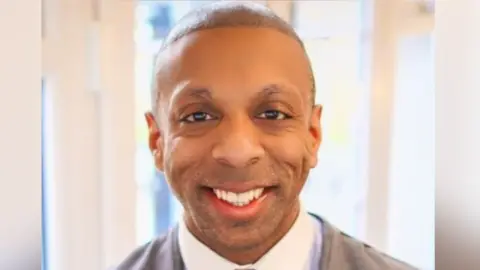
ISTANBUL, Turkey - When Martyn Latchman, a 38-year-old father of two and former assistant headteacher from Bedford, flew to Istanbul in July 2025 for the second phase of a hair transplant, he expected to return home with a fuller head of hair. Instead, he suffered a cardiac arrest moments after being numbed with a local anaesthetic at the Dr Cinik Hair Transplant Center and died later that day at a nearby hospital. His death, examined by a British coroner on July 9, 2026, is one of at least 28 fatalities among UK nationals who travelled to Turkey for elective medical procedures between 2019 and March 2024, according to Foreign, Commonwealth and Development Office data.
Turkey has built a glittering global brand as the world's capital of affordable cosmetic enhancement. It handles an estimated 60 to 70 percent of all hair transplants performed on the planet, processes more than 1.1 million aesthetic procedures annually, and generates roughly $3.5 billion a year from cosmetic surgery tourism alone. But behind the Instagram reels, the five-star hotel packages and the celebrity endorsements lies a parallel ecosystem of unlicensed clinics, untrained technicians and assembly-line operating rooms that, according to patient groups, coroners and industry watchdogs, is leaving a growing trail of dead and disfigured patients across Europe, North America and beyond.
The Human Toll: A Growing List of Names
The deaths are not abstract statistics. Each case represents a family that received a phone call instead of a post-procedure selfie.
Martyn Latchman, 38, had already undergone a successful first transplant at the Dr Cinik clinic. He returned for a second procedure on the crown of his head in July 2025. According to evidence heard at Ampthill Coroner's Court in Bedfordshire on July 9, 2026, he began convulsing and went into cardiac arrest after being given a local anaesthetic. Coroner Emma Whitting concluded the cause of death was "unascertained" but consistent with local anaesthetic systemic toxicity, a rare complication. She noted that because Latchman died abroad, “material” into his death was “very limited.” Investigations continue in Turkey.
Demi Agoglia, 26, a mother of three from Salford, died in January 2024 after travelling to Turkey for a Brazilian butt lift. A coroner later ruled her death was due to "misadventure contributed to by neglect," describing the methods used by the clinic as "barbaric" and the aftercare as "woeful."
Sophie Hunt, 34, a mother of two from Northampton, suffered multi-organ failure and died on March 9, 2022, two days after undergoing a BBL and tummy tuck at the private Nisantasi Hospital in Istanbul. She went into cardiac arrest three times. Her family told an inquest in December 2025 that they believed she was not fit for surgery, pointing to ECG readings that indicated an abnormal heartbeat. The coroner, Sophie Lomas, said she "does not have the jurisdiction to fully investigate what happened in that hospital."
Hayley Butler, 40, suffered four separate organ perforations and went into septic shock after a botched sleeve gastrectomy at a clinic in Izmir in July 2024. She died one month later. An inquest found the surgery "had not been done properly" and there was a "lack of safety netting."
Anne Towlson, 58, travelled to Istanbul in April 2024 for a tummy tuck, liposuction and arm tuck. She was found dead at home in the UK with open wounds to her armpits and triceps that had failed to heal.
Janet Lynne Savage, 54, from Bangor, died after major artery trauma during a gastric sleeve weight-loss procedure in Turkey in 2023. Kaydell Brown, 38, from Sheffield, signed up for multiple surgeries and died after going into theatre in 2024. Hayley Dowell, 38, died in October 2023 after a BBL, tummy tuck and liposuction. Mentor Rama, 36, travelled to Istanbul for a hair transplant and dental work; he was rushed to hospital hours after his operations and died in 2025.
Then there is Mathieu Latour, 24, a French university student who travelled to Turkey for a 4,000-graft hair transplant in early 2024. His hair grew back in a "hedgehog" pattern, patchy and unnatural. His donor area at the back of his head was irreversibly over-harvested, leaving permanent visible thinning. Unable to cope with the disfigurement and pain, Latour took his own life in March 2024.
The Foreign Office has confirmed it is aware of at least 28 British nationals who died in Turkey following elective medical procedures between 2019 and March 2024, with at least six more dying in the country in 2024 alone. However, researchers and campaigners caution the true toll is almost certainly higher: Turkey has no mandatory reporting system for cosmetic surgery deaths, and many families choose not to publicise their loss.
The Scale of the Machine
Turkey's dominance of the global beauty surgery market is staggering. According to a March 2026 report by Med Tourism Co LLC, Turkey processes an estimated 60 to 70 percent of the world's hair transplant procedures, generating in excess of $2 billion annually from that segment alone. A separate analysis published in April 2026 valued the country's cosmetic surgery tourism market at $3.5 billion per year, with a forecast to reach $9.3 billion by 2035.
The price differential is the primary driver. A hair transplant that costs $20,000 to $30,000 in the United States or around £10,000 in the United Kingdom can be obtained in Turkey for as little as $4,000 to $5,000, or £1,500. A full package including procedure, hotel, transfers and aftercare can cost less than the procedure alone in Western Europe. Brazilian butt lifts, tummy tucks, sleeve gastrectomies, veneers and rhinoplasties follow the same arithmetic.
"People think of it as, you know, going to the mall," Dr Sheila Nazarian, a board-certified plastic surgeon in California, told Fox News in April 2026. "It's surgery, and surgery has risks. You need to be with someone who not only can perform a beautiful surgery, but who can handle possible complications well."
The marketing machine behind this boom is formidable. Clinics deploy sophisticated digital advertising, pay social media influencers, sponsor Premier League football clubs (Dr Cinik has sponsored Sheffield United and West Ham United), and count international celebrities among their former clients, including former England and Manchester United footballer Rio Ferdinand, Croatian World Cup finalist Ivan Rakitic and Brazilian World Cup winner Rivaldo.
Volume Mills: How the Assembly Line Works
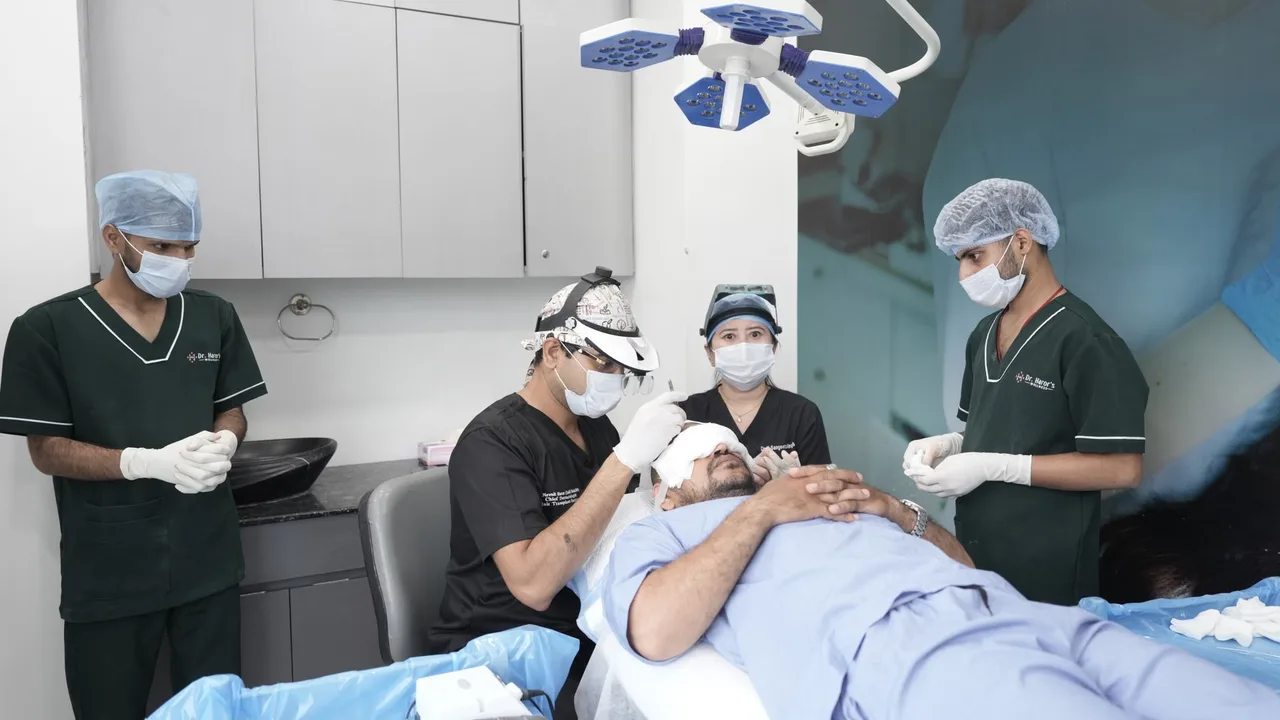
The fundamental problem, according to the International Society of Hair Restoration Surgery (ISHRS), is a matter of arithmetic. Turkey performs well over one million hair transplant procedures per year, yet there were only 16 doctors registered with the ISHRS in the entire country as of mid-2025. The ISHRS reports that 96 percent of bad hair transplant outcomes in Turkey are linked to black-market clinics operating outside regulatory oversight.
In these clinics, the entire procedure, from anaesthesia to extraction to implantation, is performed by unlicensed technicians rather than surgeons. The doctor whose name appears on the paperwork may never enter the operating room.
"The person holding the scalpel in some of these clinics isn't always a doctor," Paul Evans, a private investigator whose firm has handled multiple cases linked to botched operations in Turkey, told the Mirror in November 2025. "Often, the actual surgeries are performed by technicians who may have done a short internal course. They aren't qualified surgeons, and that's why things can go bad quickly."
Dr Nazarian put it more bluntly: "I've heard that they are even recruiting people who maybe were taxi drivers and then putting them through their own training program to become hair transplant technicians. That's how high the demand has become."
A comprehensive investigation published by WIRED in June 2026 traced how Turkey's hair transplant industry evolved through three distinct phases. A first "golden age" of corporate hospitals operating within medical ethics gave way, around 2015, to what the magazine called "Health Tourism 3.0" - an era in which digital marketers, agencies and investors displaced healthcare professionals. Clinics proliferated where 50 to 80 patients were treated daily, the doctor entered the room only to say hello, and procedures were performed by unlicensed, untrained technicians.
The economics of the volume-mill model are punishing. A clinic charging £1,500 per procedure but processing 50 patients per day generates £75,000 in daily revenue. At that scale, fines for regulatory violations represent a fraction of monthly revenue - a cost of doing business, not a deterrent.
The most common complication is donor area over-harvesting, where technicians extract far more follicles than the back of the head can safely provide, leaving permanent, visible thinning. Other documented complications include infection, excessive scarring, nerve damage causing chronic pain, poor graft survival, scalp necrosis (tissue death), and, in the worst cases, death from anaesthetic complications, sepsis or cardiac events during prolonged procedures.
The Regulatory Vacuum
Turkey's Ministry of Health requires that hair transplant procedures be performed or directly supervised by a licensed physician. In practice, according to multiple investigations and industry sources, enforcement is minimal. The sector generates billions in revenue and medical tourism income for Turkey's economy, creating a powerful financial incentive to look the other way.
Koray Erdogan, a pioneering Turkish hair transplant surgeon and ISHRS member, told WIRED that the entry of non-healthcare actors after 2015 transformed the sector: "Clinics began to proliferate where 50 to 80 patients were treated daily, the doctor entered the room only to say hello to the patient, and procedures were performed by unlicensed, untrained technicians."
International patients who die or suffer severe complications in Turkey face significant legal barriers to accountability. Turkish malpractice law offers limited protections to foreign nationals. Coroners in the UK repeatedly note that because deaths occurred abroad, they lack jurisdiction to fully investigate what happened. The Turkish investigation into Sophie Hunt's 2022 death, for example, concluded only that she died "as a result of abdominoplasty and liposuction procedures and the complications that developed thereafter" - a finding her family described as "not really an answer."
"We still do not know how many people resident in the UK go abroad for elective surgery or how many people subsequently experience complications," the authors of a January 2026 BMJ Open study concluded. "Without these data, we cannot fully understand the levels of risk that people seeking surgery abroad are taking."
'Turkey Teeth': The Dental Tourism Crisis
Alongside hair transplants and body contouring, dental tourism has become one of Turkey's most heavily marketed medical exports, driven by social media hashtags and the promise of a "Hollywood smile" for a fraction of UK prices. The results can be catastrophic.
Leanne Abeyance, 41, from Telford, underwent what she believed would be routine dental implant work in Turkey. Instead, she was left unable to breathe through her nose, which subsequently collapsed. She needs reconstructive surgery, lives in constant pain managed by morphine and sleeping tablets, and says she feels too self-conscious to go outside.
"It doesn't get any easier, but I'm glad that it's touched so many people," Abeyance told the BBC in January 2026. "I just want to chop my head off and start again." In the week before an implant-removal operation at Guy's Hospital in London, her septum "came apart" and would not stop bleeding. "I actually said goodbye to my little girls, because I thought I was going to die, I thought I was going to get sepsis and die," she said.
Another UK patient, a father who spent £3,500 on dental implants in Turkey, was left without any teeth at all. After his temporary teeth fell out weeks after returning to the UK, he flew back for a check-up, only to wake from a procedure to find the dentist had removed all of his implants. He described the experience as "devastating."
In April 2026, a UK man died by suicide after botched dental surgery in Turkey left him without teeth, an inquest found, underlining the profound psychological toll that failed cosmetic procedures can exact.
The NHS Burden: Who Picks Up the Pieces
When things go wrong abroad, the UK's National Health Service is left to manage the consequences. A rapid review published in BMJ Open on January 13, 2026, by researchers from Cardiff and Bangor universities examined 37 studies and found that the NHS treated at least 655 patients between 2011 and 2024 for complications arising from elective surgery abroad.
The costs ranged from £1,058 to £19,549 per patient, with some individuals spending up to 49 days in NHS hospitals. The average hospital stay for complications from metabolic or bariatric surgery was 17 days. At least 53 percent of patients in the studies experienced moderate to severe complications, including infected wounds, sepsis, multiple organ failure and death.
Turkey was the most common destination, accounting for 61 percent of patients. The most frequently performed procedures were sleeve gastrectomy, breast enlargement and tummy tucks. Ninety percent of the patients were women, with an average age of 38.
"Too often people are drawn in by cut-price deals and glossy online marketing, only to return with serious, sometimes life-changing complications," Professor Vivien Lees, vice-president of the Royal College of Surgeons of England, said in January 2026. "When things go wrong, the NHS is left to pick up the pieces, often in emergencies and without full information about what surgery was done or by whom."
The CDC in the United States has also flagged the danger. A study published in June 2026 in the agency's Emerging Infectious Diseases journal documented dozens of cases of Americans who developed serious infections after travelling abroad for cosmetic procedures including liposuction, tummy tucks, breast augmentation and buttock enhancement.
Government and International Response
The UK government has taken several steps, though campaigners argue they remain insufficient. In 2024, then-Health Secretary Wes Streeting said his "strong advice" to British travellers was to think carefully before taking up offers that are "too good to be true." He added: "We're never going to turn people away who are in need of care but this is another pressure the NHS doesn't need."
The Foreign, Commonwealth and Development Office now maintains specific travel advice warning about the risks of medical tourism in Turkey, noting the deaths of British nationals. The government has also partnered with TikTok influencers to warn younger audiences about the dangers of travelling abroad for cosmetic procedures, urging viewers to consult a UK doctor first, take out specialist travel insurance and avoid package holidays that bundle surgery with leisure.
A Department of Health and Social Care spokesperson confirmed in July 2026 that ministers would consult on tougher measures covering high-risk cosmetic procedures, including liquid BBLs. However, cross-party MPs have accused the government of "dithering" on a promised licensing scheme for non-surgical procedures, which is not expected before 2029.
The patient safety organisation Save Face has been campaigning since 2023 for a national law that would make it illegal for anyone other than a GMC-registered plastic surgeon to carry out liquid BBLs and other high-risk body contouring procedures. "We warned government repeatedly that without such legislation someone would die," co-founder Ashton Collins said. "In 2024 that prediction became a reality when Alice Webb tragically and needlessly lost her life."
On July 22, 2026, the BBC revealed that Jordan Parke, the "Lip King" arrested in connection with Webb's death, had been banned from performing liquid BBLs in Dudley and Greater Manchester before he treated Webb in Gloucester - a case that has intensified calls for a single national register and nationwide prohibition powers.
Why It Matters
Turkey's beauty industry is not a niche concern. It sits at the intersection of a global boom in aesthetic medicine, the power of social media to shape body image, and the willingness of millions of people to travel abroad for cheaper care. The industry's growth shows no sign of slowing. Med Tourism Co LLC projects the sector will nearly triple to $9.3 billion by 2035.
Every person who boards a flight to Istanbul for a cut-price procedure is making a calculation about risk versus reward. The problem is that many are making that calculation without full information. They see the celebrity endorsements but not the coroner's reports. They see the before-and-after galleries but not the over-harvested donor areas. They see the luxury hotel but not the technician with a six-week training course holding the scalpel.
And when things go wrong, the costs cascade: to families who lose a parent, to patients left with permanent disfigurement and chronic pain, to overstretched public health systems that have to manage the consequences of surgeries performed thousands of miles away by people whose qualifications can never be verified.
What Happens Next
Several developments are likely to shape the coming months and years.
In Turkey: The Turkish government faces growing international scrutiny, particularly from the UK, where media coverage of deaths has intensified and the Foreign Office has updated its warnings. Whether Ankara will strengthen enforcement of its existing regulations, or introduce mandatory complication reporting, remains to be seen. The financial stakes are enormous, and the industry is deeply embedded in the country's tourism economy, which generated $65.2 billion in 2025.
In the UK: The government is expected to publish a consultation on regulating high-risk cosmetic procedures this year. The case of Alice Webb and the revelations about the "Lip King" have added urgency. A national licensing scheme for non-surgical procedures is promised, but not until 2029 at the earliest. MPs continue to press for faster action.
In the industry: Some Turkish clinics are attempting to differentiate themselves by highlighting surgeon involvement, ISHRS membership and safety protocols. Dr Ahmet Murat of Hermest Hair Clinic, for example, has developed an "All-In Safety Protocol" designed to standardise every stage of the hair transplant process. But for every clinic raising standards, the volume-mill model continues to expand.
For patients: The key safeguards remain individual vigilance: verifying a surgeon's ISHRS registration, insisting on a video consultation with the operating surgeon (not a sales agent), obtaining written confirmation of who will perform the procedure, and avoiding clinics quoting below £1,000 or processing more than 10 patients per day.
Frequently Asked Questions
How many British nationals have died after cosmetic surgery in Turkey?
The Foreign Office has confirmed at least 28 British nationals died in Turkey following elective medical procedures between 2019 and March 2024. At least six more deaths occurred in 2024 alone. The true figure is likely higher as Turkey has no mandatory reporting system.
Why is Turkey so popular for cosmetic surgery?
Cost is the primary factor. Procedures in Turkey typically cost 50 to 75 percent less than in the UK or US. A hair transplant that costs £10,000 in the UK can be obtained for £1,500 in Turkey, often including flights, hotel and transfers. Turkey also has a large pool of experienced practitioners and a well-developed medical tourism infrastructure.
Are all Turkish clinics dangerous?
No. Turkey has both excellent and dangerous clinics. The country has produced genuinely pioneering surgeons and has only 16 ISHRS-registered specialists whose work is internationally recognised. The risk lies in the vast number of unregulated clinics where procedures are performed by technicians rather than qualified surgeons.
What is a "volume mill"?
A clinic that processes 20 to 100 or more patients per day, often with unlicensed technicians performing the procedures while a named doctor may never enter the operating room. At such volumes, individual surgical oversight is impossible.
Can a botched hair transplant be fixed?
It depends on the damage. Uneven graft distribution can sometimes be corrected with a second procedure. However, over-harvested donor areas are irreversible. Once follicles are depleted, they cannot be regenerated. Corrective procedures typically cost two to three times more than the original surgery.
What should I check before booking a procedure in Turkey?
Verify the surgeon's ISHRS registration, demand a video consultation with the operating surgeon (not a sales agent), get written confirmation of who will perform the procedure, ask how many patients the clinic treats daily, and avoid clinics quoting prices under £1,000 or asking for large deposits before proper medical assessment.
Sources and Further Reading
BBC: Anaesthetic linked to hair transplant man's death in Turkey (July 9, 2026)
BBC: 'Lip King' banned twice before woman's BBL death (July 22, 2026)
BBC: The dark side of the Brazilian butt lift boom (July 5, 2026)
WIRED: How Turkey Hacked the Hair-Transplant Industry (June 2026)
Daily Mirror: Inside Turkey's 'black market clinics' (November 2025)
Wales Online: Urgent warning after at least 12 UK travellers die in Turkey (January 14, 2026)
Fox News: Cheap surgery overseas may come with devastating complications (April 2026)
BBC: Telford botched 'Turkey teeth' op victim keeps going advising of dangers (January 21, 2026)
BBC: Mum-of-two from Northampton died after cosmetic surgery in Turkey (December 18, 2025)
CDC: CDC study links cosmetic surgery tourism to deadly infections (June 4, 2026)
Med Tourism Co: Turkey Cosmetic Surgery Tourism Hits USD 3.5B Annually (April 1, 2026)
Published: July 22, 2026. This article draws on coroner inquest records, Foreign Office data, peer-reviewed research in BMJ Open and the CDC's Emerging Infectious Diseases journal, primary reporting by the BBC, Guardian, WIRED, Mirror and other outlets, and market analysis by Med Tourism Co LLC. All claims are attributed to identified sources. Where sources disagree or data is incomplete, those gaps are noted in the text.