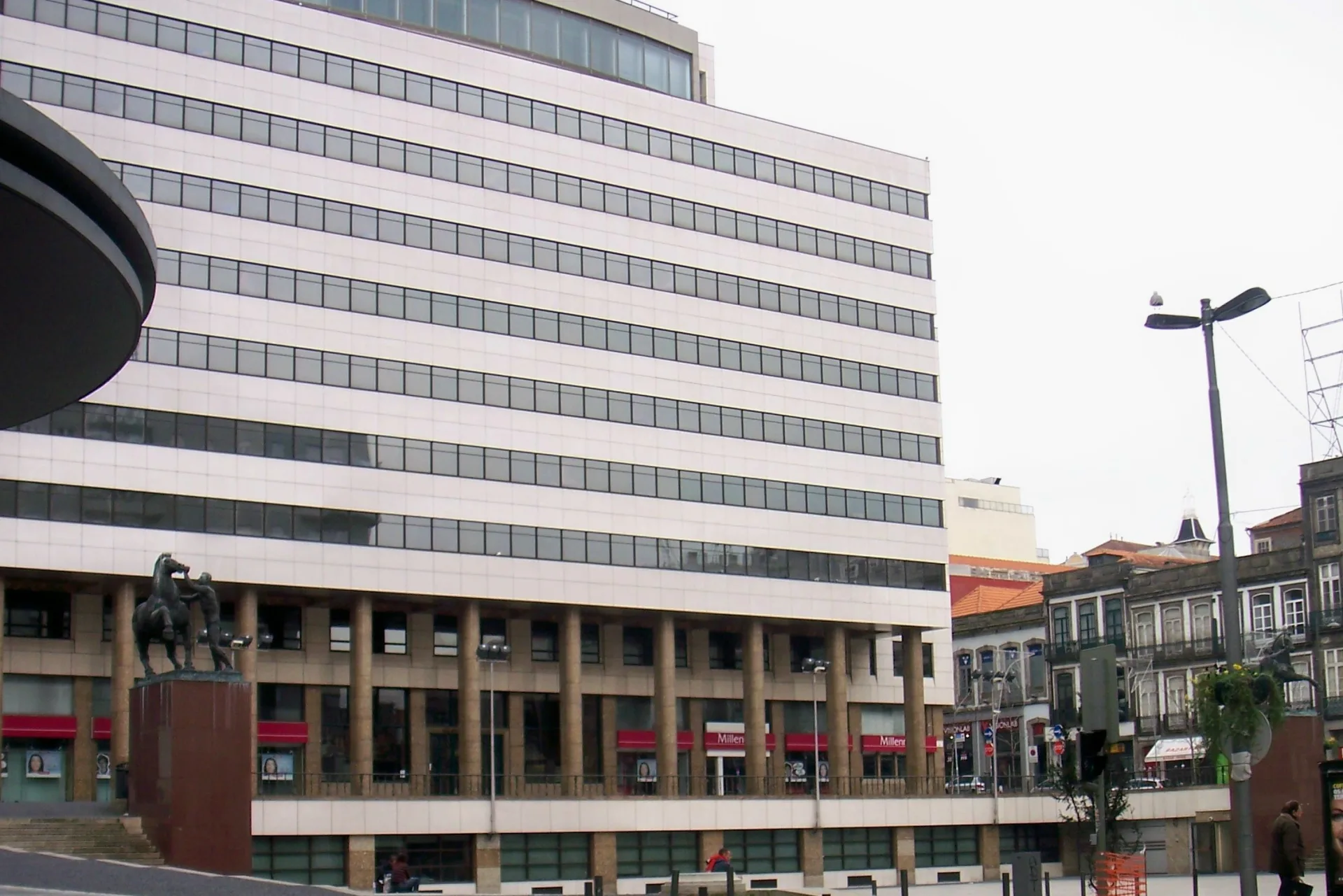
More than 50 people remained camped in a central Porto square on Sunday after nationwide demonstrations over housing costs and the cost of living, extending a one-day protest into an open-ended occupation.
The tents were set up in Praça D. João I following Saturday's march in Porto. Participants told Portuguese media that they intended to stay while they pressed the government for affordable housing and relief from rising everyday costs.
A protest moves into a second day
Portugal's public broadcaster RTP reported that dozens of people were still in the square on Sunday and wanted the encampment to continue for as long as possible. A separate Lusa report put the number at more than 50 and said there was no set timetable for leaving.
The Porto gathering grew out of demonstrations held on Saturday in Lisbon, Porto, Aveiro and Braga by the platform "Não dá mais para viver assim", or "We cannot live like this anymore". In Lisbon, several thousand people assembled at Largo do Intendente before marching through the city centre, according to RTP. Organisers and participants called for lower housing costs, limits on rent increases, more public housing and measures aimed at food and fuel prices.
Police figures cited by Portuguese news organisations placed attendance at the Porto march at about 1,500. The subsequent camp is smaller, but it marks a significant escalation because participants are attempting to maintain a continuous presence rather than disperse after a scheduled march.
Housing pressure remains acute
The protests come as Portugal continues to record some of the fastest housing price growth in the European Union. Eurostat data published on October 1 showed Portuguese house prices rose 16.5 percent in the second quarter of 2026 compared with the same period a year earlier. That was the largest annual increase among EU member states with available data, while the EU average was 4.7 percent.
The House Price Index measures residential property purchases rather than rents, but its sharp rise adds context to the wider affordability concerns raised by demonstrators. Protesters interviewed by Portuguese outlets described spending a large share of their income on rooms or remaining in family homes well into adulthood because independent housing was out of reach.
What happens next
Participants said the Porto camp was inspired in part by recent housing mobilisations in Spain and hoped it would encourage similar sustained action elsewhere in Portugal. The group was organising activities and an assembly in the square on Sunday while seeking supplies for people staying overnight.
No official end date had been announced by Sunday evening. The camp's duration, the authorities' response and whether similar occupations emerge in other cities will determine whether the action develops into a broader movement or remains a short extension of Saturday's demonstrations.