Smooth-coated otters, listed as vulnerable by the International Union for Conservation of Nature, have reappeared along the Klang River in Kuala Lumpur, a sign that years of cleanup efforts may be restoring the urban waterway, according to Mongabay.
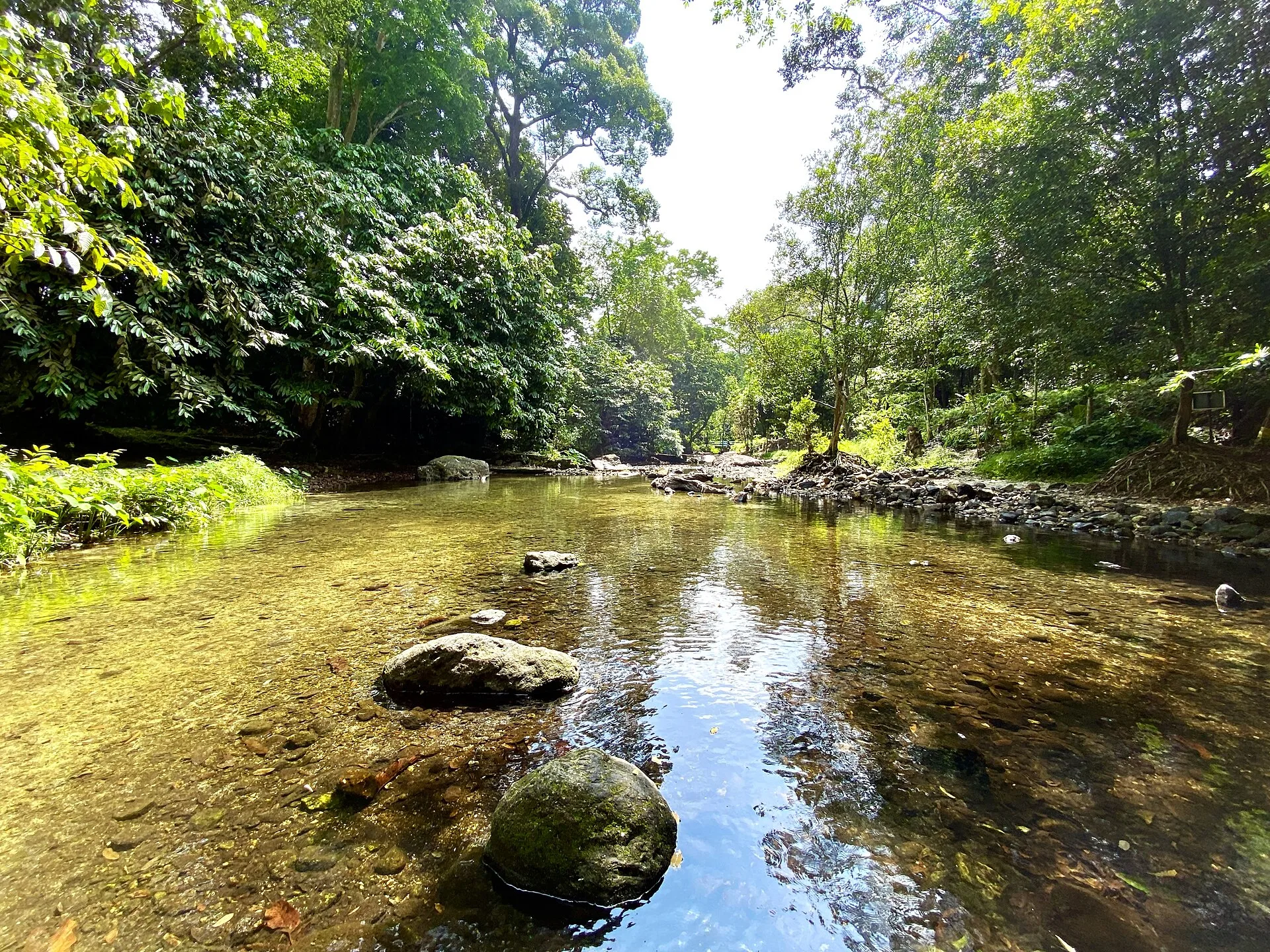
The river once carried Malaysia's worst pollution rating, Class 5, meaning severely polluted. After years of remediation work, it improved to Class 3, or moderately polluted, which wildlife ecologist Woo Chee Yoong said likely encouraged the otters to return.
"Wherever there are otters, there are fish. Wherever there are fish it means the whole river system is clean, it's healthy for all the communities around," said Woo, who co-founded the Malaysian Otter Network in 2020.
Viral videos show the otters lounging on concrete riverbanks and swimming near metro stations, drawing attention to the river's revival.
Hasan Ujang, a retired soldier living in a riverside apartment, watches the otters from his home. "We feel really happy when we watch them playing and playing, like kids swimming," he said.
The otters' return has also brought tension. At the Tropicana Golf and Country Resort, an upscale housing development, otters have raided fish ponds at at least 12 homes over the past year. Yee Sze Mun, 89, said the animals killed an arowana he had raised for 15 years. "They are a nuisance, but I can't blame them, because they are just like us, they have to survive," he said.
Residents traced the incursions to forest clearing by a developer backed by Malaysia's largest pension fund, the Employees Provident Fund, for the Kwasa Damansara township project. Joy Appukuttan, head of the local residents' association, described the otter raids as a "grave concern."
Singapore tracks its otters with a citizen-science program, but Kuala Lumpur's otter population is poorly documented. The Malaysian Otter Network aims to build a similar reporting system. "We don't know how many groups are there, we don't know how actually the otters are moving around," Woo said.