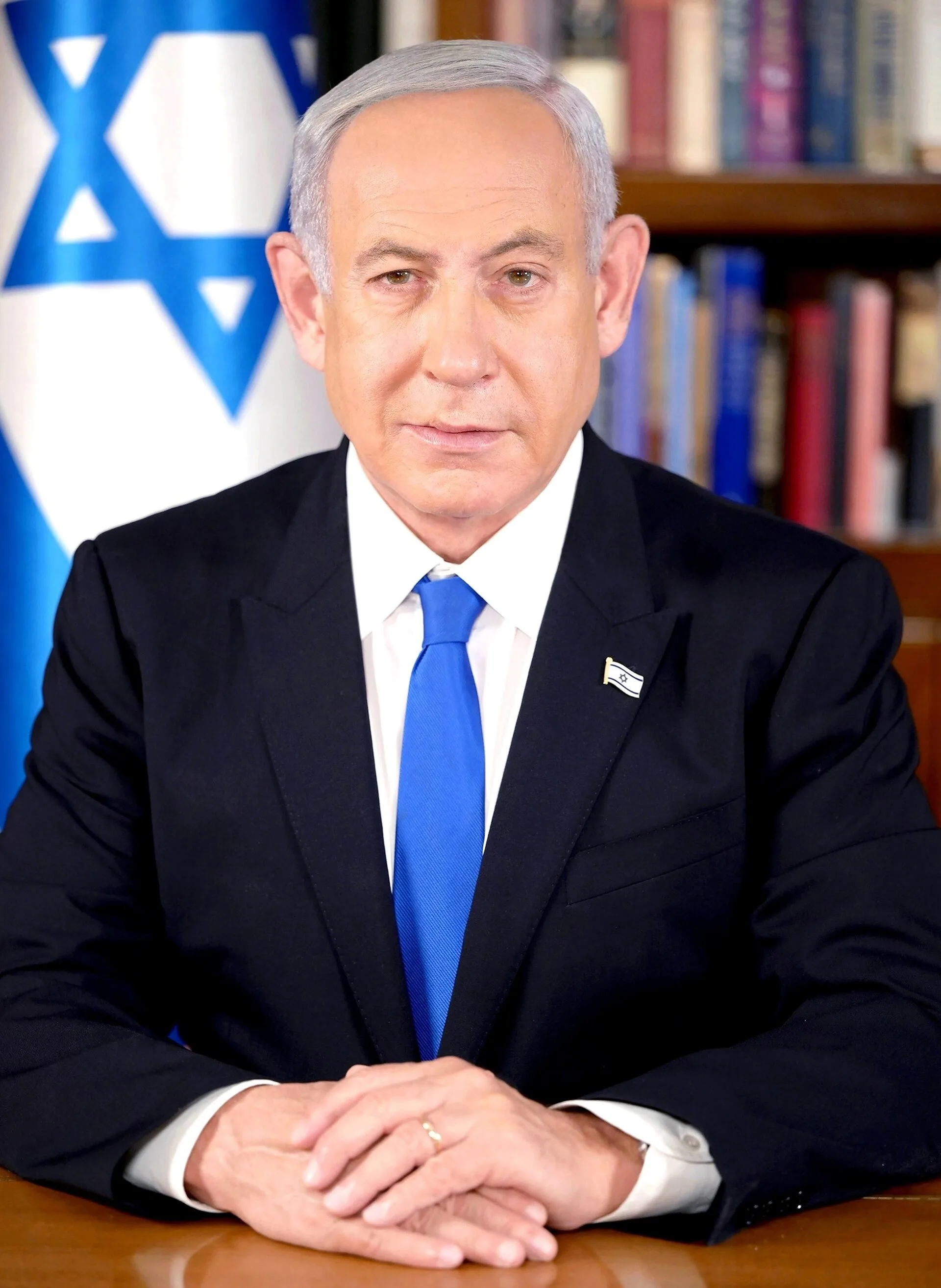
Israel's 26th Knesset was sworn in on Tuesday with a composition that gives the opposition concrete legislative levers against Prime Minister Benjamin Netanyahu, who remains caretaker premier while former military chief Gadi Eisenkot tries to form a government.
President Isaac Herzog handed Eisenkot the mandate on Sunday after neither he nor Netanyahu secured a majority in the November 10 election. Netanyahu's right-religious bloc fell to 53 seats, down from 68 in the previous parliament, while Eisenkot's centrist bloc holds 48. A record 19 lawmakers from Arab-majority parties sit in the new house, all opposed to Netanyahu, though it is unclear whether Eisenkot will seek their direct cooperation.
Israel Democracy Institute researcher Assaf Shapira told Al-Monitor and Channel NewsAsia that "the lack of a new government does not infringe upon the Knesset's prerogatives."
Three immediate flashpoints loom. First, the opposition plans to establish a commission of inquiry into the security failures that enabled Hamas's October 7, 2023 attack. Netanyahu has resisted an independent probe, preferring a review by political appointees. The incoming parliament can create a special committee to gather evidence for a future commission even before a government is sworn in.
Second, lawmakers can move to repeal Netanyahu-era legislation, notably the judicial overhaul that curbed Supreme Court powers and eased removal of the attorney general, and the exemptions that keep ultra-Orthodox men out of military service. Shapira noted that repeal votes can be called quickly, though passing replacement laws will take weeks of coordination.
Third, the first parliamentary vote will be for speaker. Incumbent Amir Ohana, a Netanyahu loyalist from Likud, wants the election delayed until a new government takes office. Opposition parties including Naftali Bennett's have demanded the vote during the inaugural session. "We will take control of the Knesset as quickly as possible," Bennett said.
Eisenkot also warned military chiefs that Netanyahu lacks a mandate to resume war against Iran, a statement Shapira described as more political than legal given Netanyahu's continuing control of national security.