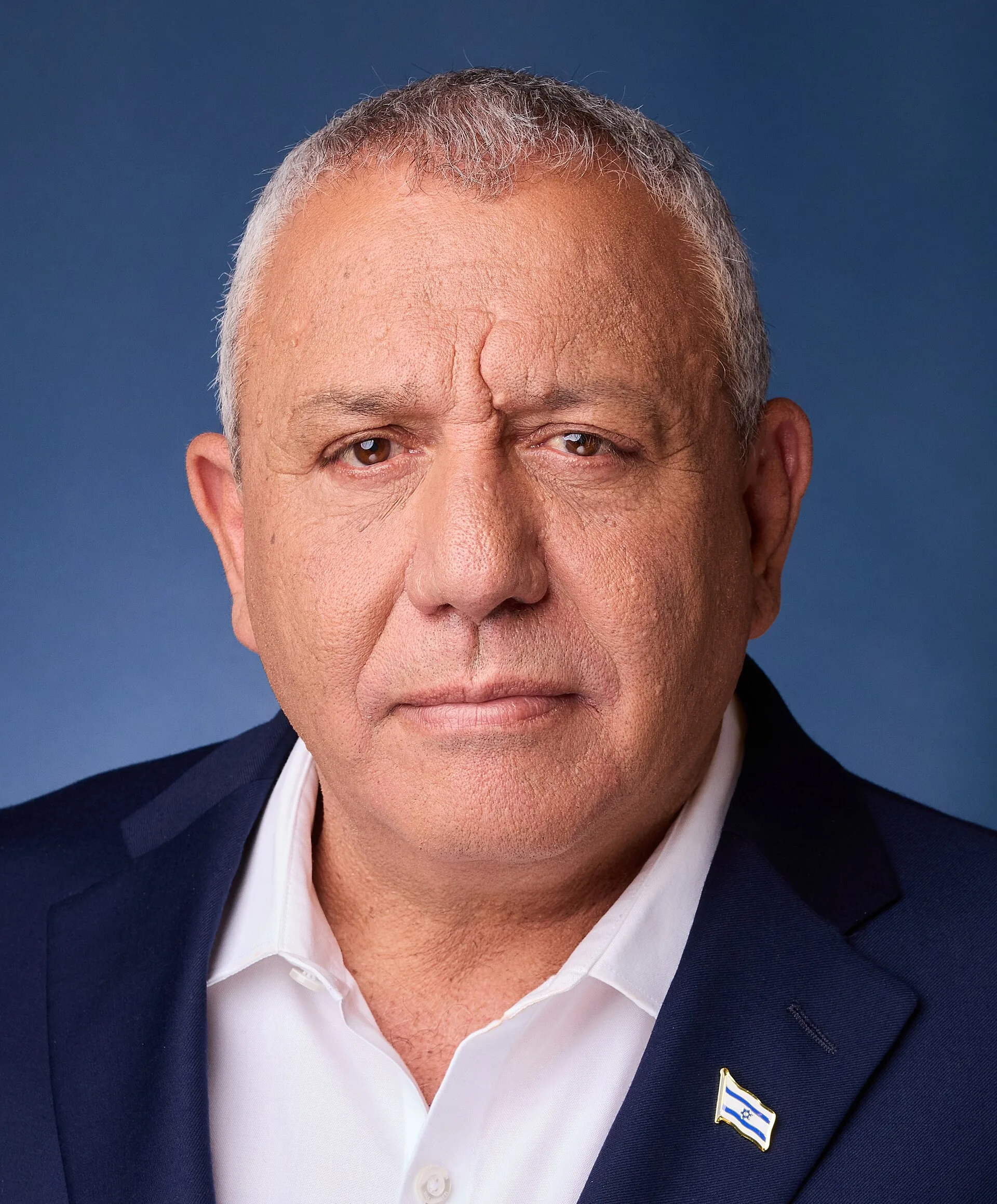
Israel's Joint List alliance of Arab-led parties announced Thursday it would tell President Isaac Herzog to task opposition leader Gadi Eisenkot with forming the next government. The decision lifts his total endorsements to 67 lawmakers, clearing the 61-seat majority needed in the 120-member Knesset, according to Al Jazeera.
The move came on a second day of Herzog's consultations with party leaders after the October 27 election produced no clear majority. The Joint List's 11 seats join the eight seats of the United Arab List, which backed Eisenkot earlier Thursday, and the 48 seats of Eisenkot's centrist bloc.
Prime Minister Benjamin Netanyahu's right-wing religious bloc holds 53 seats. But the ultra-Orthodox United Torah Judaism party, a longtime Netanyahu ally with seven seats, refused to recommend him, saying it would back neither candidate. Its Degel HaTorah faction, holding four of those seats, pointed to the government's failure to enact a law exempting Haredi men from military service, Al-Monitor reported.
Herzog has accepted the certified results and will pick the candidate he judges best positioned to build a coalition, almost certainly Netanyahu or Eisenkot. The chosen lawmaker then gets a 28-day window to assemble a government, with a possible two-week extension, France 24 reported.
Arab-majority lists captured a record 19 seats in the election, fueled by anger over Netanyahu's hard-right government. Eisenkot, a former military chief, has not said whether he would accept Arab support to govern, though his bloc needs those numbers for a majority. Some opposition allies, notably Avigdor Liberman, oppose relying on Arab parties.
Netanyahu has attacked the prospect of an Arab-backed government, alleging in a video Wednesday that foreign powers spent money to influence the election and questioning the loyalty of Arab citizens.