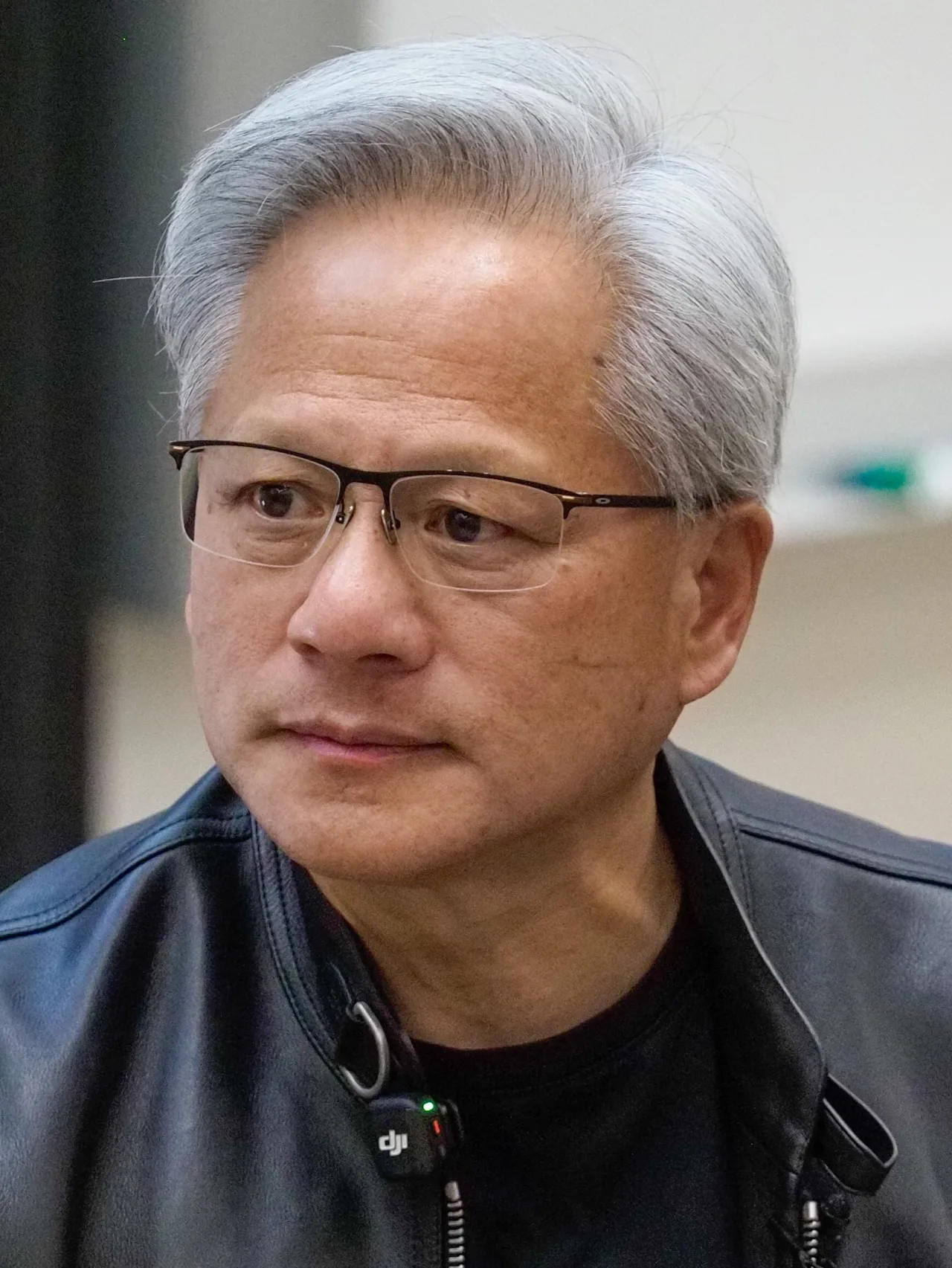
US House Speaker Mike Johnson told reporters on Thursday that lawmakers are coalescing around new restrictions on advanced chip exports to China. The comments mark the strongest indication yet that Congress is shifting toward stricter controls following a spy scandal that ousted Nvidia chief executive Jensen Huang.
"The export controls on chips to China has been a big issue around here," Johnson, a Louisiana Republican, said at the Capitol. He added that he sees a developing consensus that this is a crucial stance to adopt.
The shift follows Huang's resignation this week after disclosures of a romantic involvement with Alice Huang, a former executive at Singapore-based Megaspeed whom US intelligence agencies suspect of spying for Beijing. Megaspeed is an Nvidia partner that US authorities believe helped China obtain advanced AI chips restricted under export controls.
Nvidia's advanced processors are the workhorse for training leading AI models, placing the company at the center of the US competition with China for AI supremacy. Washington has long tried to deny China these chips to prevent the Chinese military from gaining an edge.
Three Republican House committee chairs have summoned Huang to a closed-door briefing on November 18 to discuss his interactions with Alice Huang and Nvidia's counter-espionage safeguards, according to Channel NewsAsia. A bipartisan measure known as the AI Overwatch Act, which would empower Congress to review and block licenses for exporting advanced AI chips to China and other adversaries, may gain new momentum.
Beijing has denied Alice Huang is a spy.